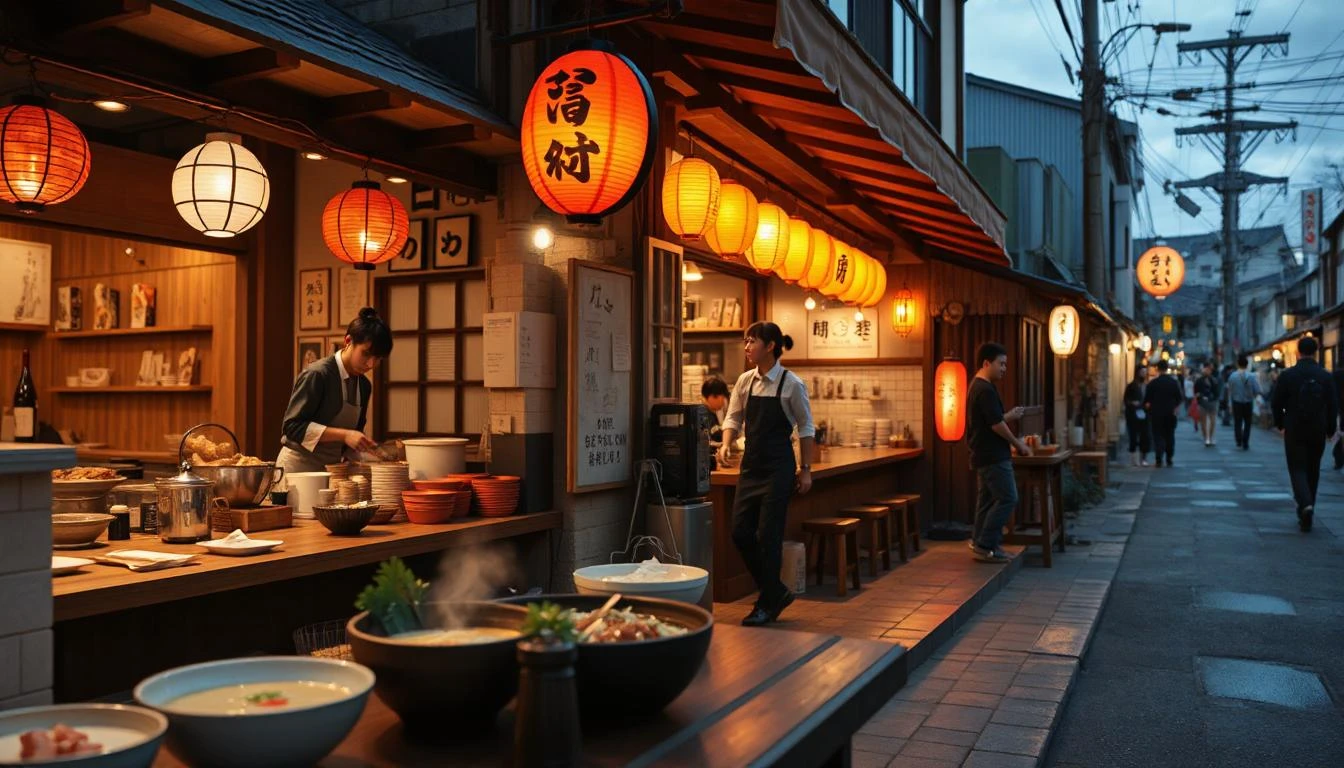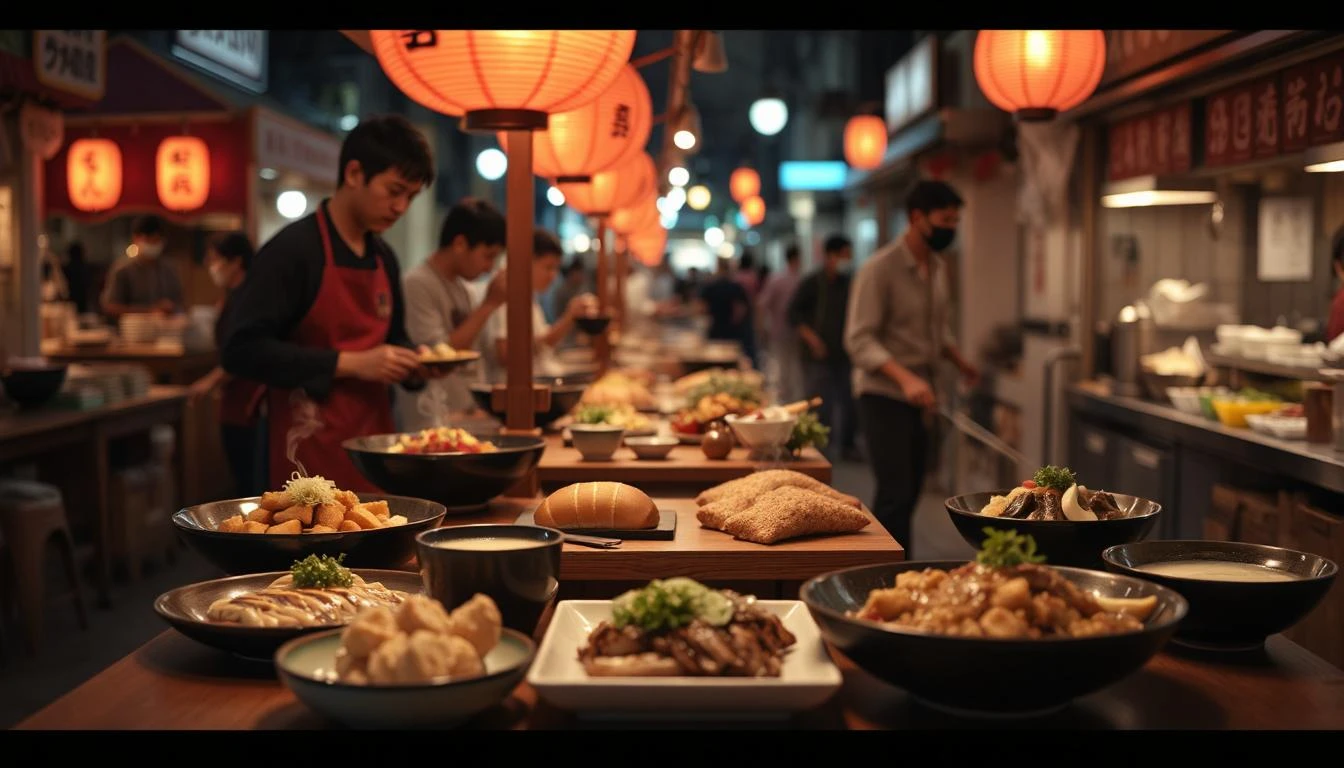
Japanese Street Food Travel Guide
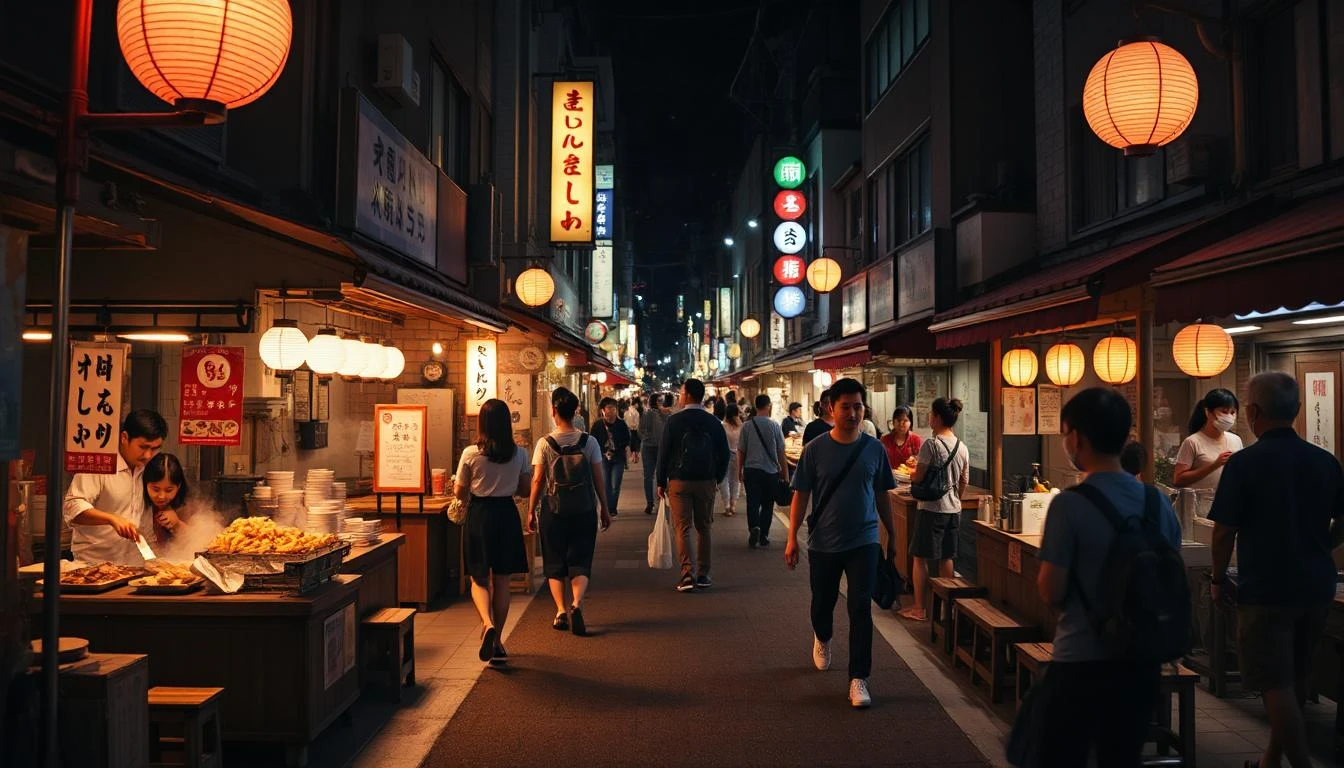
Japan has a way of turning ordinary food into unforgettable memories. The moment you step into a glowing alley filled with sizzling grills, drifting aromas, and crowded late-night stalls, the atmosphere immediately feels alive. Street food in Japan is not only about eating quickly while traveling. It becomes a cultural experience that connects local traditions, hidden neighborhoods, and flavors that have survived for generations. From lively festival stalls to tiny vendors tucked beneath train stations, every corner seems to reveal something delicious waiting to be discovered.
A complete Japanese street food guide helps travelers experience Japan beyond famous landmarks and tourist attractions. The country’s street food culture blends craftsmanship, seasonal ingredients, and regional identity into every bite. Some visitors arrive expecting sushi and ramen, yet they leave talking about smoky yakitori skewers, crispy takoyaki, and warm desserts found inside crowded night markets. Culinary expert Nancy Singleton Hachisu once explained that Japanese cuisine reflects “respect for ingredients and precision in preparation,” and that philosophy becomes incredibly visible in local food stalls across Japan.
Introduction to Japanese Street Food Culture
Japanese street food culture feels vibrant, nostalgic, and surprisingly diverse at the same time. Every city carries its own flavor identity, while every market introduces different textures, aromas, and cooking traditions. If you enjoy discovering local experiences through food, Japan offers an endless culinary playground that keeps travelers curious from morning until midnight.
Many travelers join a japan street food tour because it allows them to experience authentic neighborhoods, hidden food alleys, and local specialties that rarely appear in ordinary travel guides. Walking through crowded markets while hearing sizzling grills and watching chefs prepare dishes right in front of you creates an atmosphere that feels both exciting and deeply personal.
History of Japanese street food
Japanese street food dates back to the Edo period, when vendors sold affordable meals to workers, merchants, and travelers moving through busy cities. Small food stalls called yatai became gathering places where people could enjoy warm dishes after long working hours. Over time, these humble stalls evolved into an important part of Japanese culinary culture.
Traditional recipes survived modernization because families continued passing cooking techniques down through generations. Even today, many food vendors still prepare sauces, broths, and seasonings using methods developed decades ago. That combination of heritage and consistency is one reason Japanese street food remains respected around the world. Food historian Michael Ashkenazi once noted that Japanese street cuisine reflects “the balance between simplicity and culinary discipline.” That balance becomes obvious when even small snacks are prepared with extraordinary care and precision.
Popular street food districts in Japan
Some districts in Japan have become legendary destinations for food lovers. Dotonbori is famous for its dazzling neon lights, giant food signs, and endless rows of takoyaki and grilled seafood stalls. The energy feels almost cinematic, especially at night when the streets become packed with locals and tourists searching for authentic flavors.
Meanwhile, Nishiki Market offers a more traditional atmosphere filled with local delicacies, fresh seafood, pickled vegetables, and handmade sweets. Travelers looking for deeper cultural experiences often prefer Kyoto because the food feels closely connected to regional traditions and seasonal ingredients. Tokyo also offers unforgettable culinary spots such as Ameya-Yokocho, where narrow market streets are packed with savory snacks, grilled skewers, and affordable street meals. Some of the best dishes are surprisingly hidden beneath train tracks or inside small alleys most tourists never notice.
Unique flavors and cooking styles
Japanese street food stands out because of its layered flavors and cooking precision. Savory sauces, smoky charcoal grilling, fermented seasonings, and delicate spice combinations create dishes that feel simple yet deeply satisfying.
Regional influences also shape the taste of street food across Japan. Osaka is known for bold savory flavors, Kyoto focuses on subtle elegance, while Hokkaido highlights rich seafood and creamy ingredients. This diversity allows travelers to experience completely different culinary personalities depending on where they visit. Popular LSI keywords naturally connected to this topic include Japanese food markets, traditional Japanese cuisine, Tokyo food street experience, authentic Japanese snacks, and Japanese festival food culture. These culinary elements continue attracting travelers searching for immersive food experiences instead of ordinary tourism.
Must Try Japanese Street Foods
One of the most exciting parts of exploring Japan is discovering how much flavor can exist inside small street snacks. Some dishes look simple at first glance, yet the texture, aroma, and preparation techniques make them unforgettable after the first bite. Street food in Japan combines comfort, creativity, and craftsmanship in ways that continue surprising visitors from around the world.
Travelers searching for authentic culinary experiences often realize that local food stalls provide deeper cultural insight than expensive restaurants. Watching chefs cook directly in front of you, hearing the sound of sizzling grills, and tasting recipes perfected for generations creates a connection that feels genuine and memorable.
Takoyaki and savory snacks
Takoyaki is easily one of the most iconic Japanese street foods. These crispy octopus-filled batter balls are cooked inside round molds until golden outside and creamy inside. Vendors usually top them with savory sauce, bonito flakes, seaweed powder, and Japanese mayonnaise.
Originating from Osaka, takoyaki quickly became popular across the country because of its rich umami flavor and comforting texture. Watching vendors rotate the batter balls rapidly using metal picks also becomes part of the experience itself.
Other savory favorites include okonomiyaki, karaage fried chicken, and crispy croquettes sold at local food stalls. Travelers searching for the best street food in Osaka for first time visitors often place takoyaki near the top of their culinary checklist.
Yakitori and grilled specialties
Yakitori represents the heart of Japanese grilling culture. Small chicken skewers grilled over charcoal create smoky aromas that instantly attract hungry crowds in busy food districts.
Different cuts provide unique textures and flavors, ranging from juicy thigh meat to crispy chicken skin. Vendors usually season yakitori with sea salt or tare sauce, creating a perfect balance between savory sweetness and charcoal smokiness. Beyond chicken, many markets also sell grilled seafood, squid, and wagyu skewers prepared directly over open flames. Travelers looking for where to find authentic yakitori street stalls in Japan often discover that smaller alleyways deliver the most unforgettable experiences.
Sweet street desserts and treats
Japanese street desserts combine visual beauty with delicate flavor combinations. Taiyaki, a fish-shaped pastry filled with sweet red bean paste or custard, remains one of the country’s most beloved traditional snacks.
Another popular favorite is kakigori, finely shaved ice covered with flavored syrups and condensed milk. During summer festivals, these refreshing desserts become incredibly popular because of Japan’s humid weather. Modern dessert trends have also transformed Japanese street food culture. Matcha crepes, mochi donuts, and fluffy soufflé pancakes attract younger audiences while still preserving traditional Japanese ingredients and techniques. Travelers frequently search for best Japanese street desserts to try in Tokyo because the city constantly introduces creative dessert innovations.
Tips for Exploring Street Food in Japan
Exploring Japanese street food becomes far more enjoyable when you understand the atmosphere, timing, and cultural habits surrounding local food markets. Simple knowledge about etiquette and travel strategies can completely change the experience and help travelers discover places many visitors accidentally miss.
Street food in Japan is not only about finding delicious meals. It is also about understanding local rhythm, respecting traditions, and learning how communities interact around food culture in everyday life.
Best times to visit food markets
Nighttime is usually the best moment to experience Japanese street food at its most vibrant. Neon lights illuminate narrow streets while crowded vendors prepare fresh dishes directly in front of customers. The atmosphere feels energetic, warm, and immersive.
Seasonal festivals also create extraordinary opportunities to discover unique regional snacks that only appear during specific celebrations. Spring festivals and summer matsuri events often showcase limited-edition dishes impossible to find elsewhere. Morning markets, however, provide quieter environments and fresher seafood options. Travelers who prefer slower exploration often enjoy visiting local fish markets earlier in the day before crowds become overwhelming.
Street food etiquette and customs
Japanese food etiquette emphasizes cleanliness, patience, and consideration for others. In many areas, visitors are expected to eat near the food stall instead of walking while eating.
Trash bins may also be difficult to find, so many locals carry small bags for wrappers and containers. Waiting patiently in lines and speaking politely to vendors helps create a more respectful and enjoyable interaction.
Understanding these customs allows travelers to feel more connected with local culture while avoiding common mistakes that many tourists unknowingly make.
Budget friendly food travel tips
One of the best things about Japanese street food is its affordability. Travelers can enjoy multiple authentic dishes without spending excessive amounts of money.
Exploring smaller neighborhoods instead of heavily commercial tourist districts often leads to cheaper prices and more authentic flavors. Local train station areas also hide incredible food stalls overlooked by mainstream travel guides. Travelers searching online for cheap Japanese street food markets with authentic local flavors usually discover that some of the best meals come from tiny family-owned vendors rather than famous viral locations.
Start Your Japanese Street Food Adventure Today
Japanese street food offers far more than quick snacks between sightseeing destinations. Every market, alleyway, and hidden food stall tells a story shaped by history, craftsmanship, and local identity. The experience becomes unforgettable because it connects taste, atmosphere, and culture in a way few other countries can replicate.
The most fascinating part is how a simple food stop can suddenly become the highlight of an entire journey. A small stall hidden beneath glowing lanterns may serve a dish that stays in your memory longer than famous tourist attractions. Once you begin exploring Japanese street food culture, curiosity naturally pulls you deeper into neighborhoods, traditions, and flavors you never expected to discover.