Japanese Food Culture And Traditions
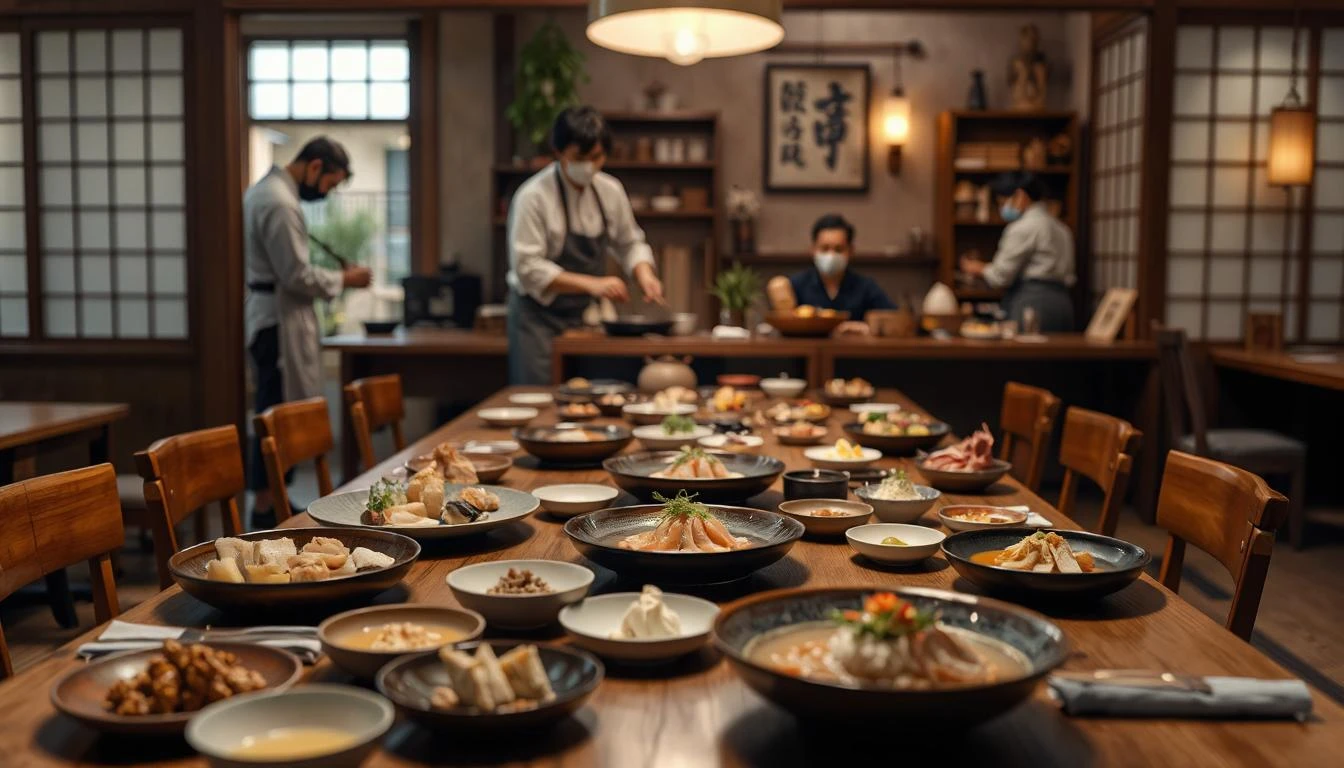
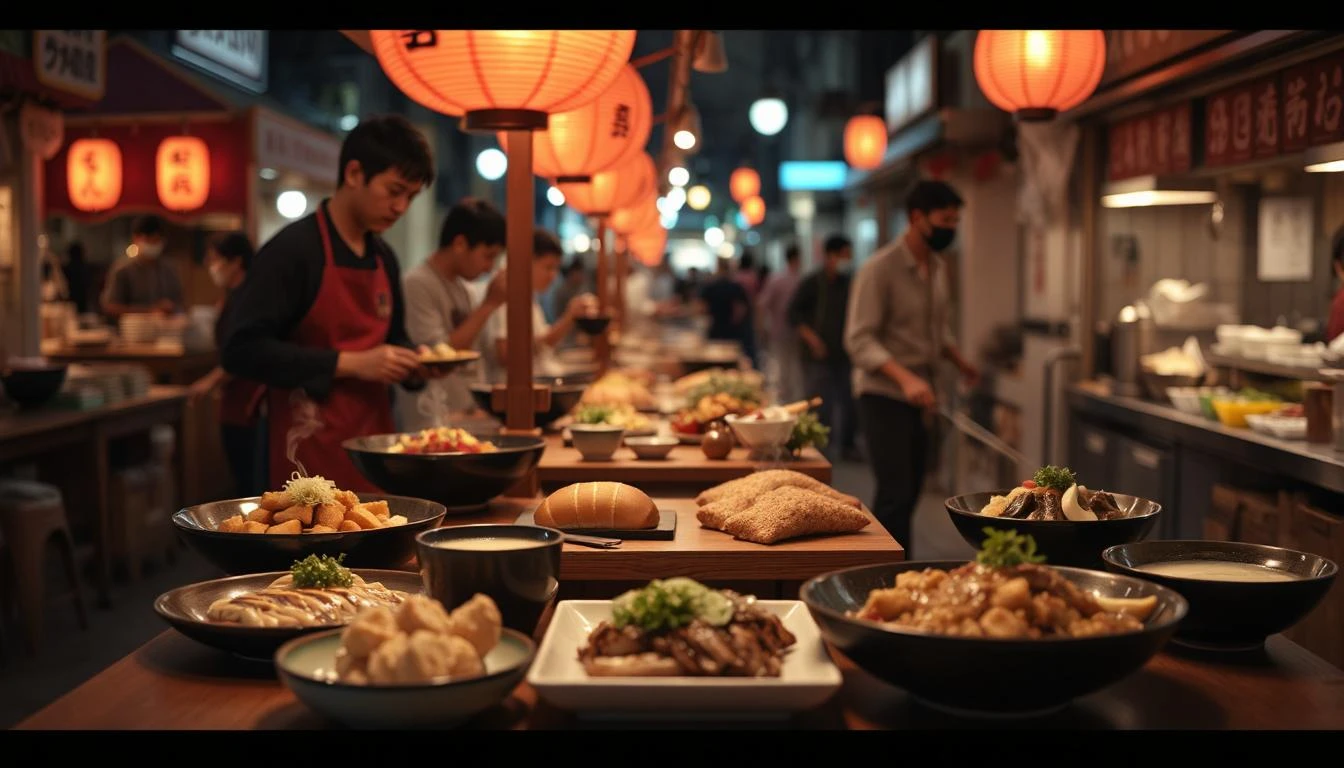
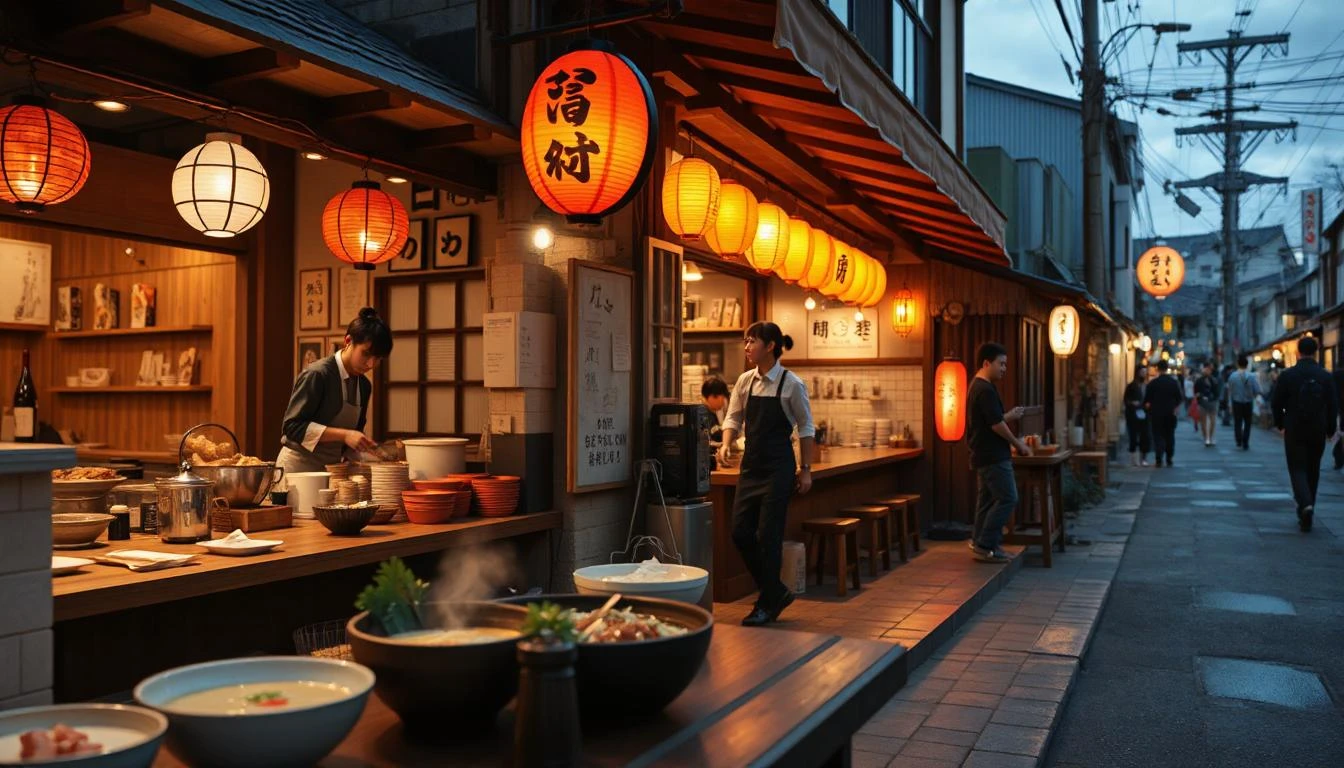
Japanese cuisine has a magnetic charm that goes far beyond beautifully plated sushi or steaming bowls of ramen. Behind every carefully prepared dish lies a cultural philosophy shaped by centuries of discipline, harmony, and respect for nature. From lively street food stalls in Osaka to quiet traditional kitchens in Kyoto, Japanese food traditions continue to captivate people across generations because they combine simplicity with remarkable depth. The more you explore Japanese culinary heritage, the more you realize that every ingredient, flavor, and dining ritual tells a meaningful story.
One of the most fascinating aspects of japanese food culture traditions is how food becomes a reflection of identity, community, and seasonal living. Meals are not only prepared to satisfy hunger but also to create emotional connection and cultural balance. This is why Japanese cuisine remains one of the most respected culinary cultures in the world today, especially as global audiences become increasingly interested in mindful eating, authentic food experiences, and sustainable cooking practices.
Overview of Japanese Culinary Culture
Japanese culinary culture is often admired for its precision, elegance, and ability to transform simple ingredients into unforgettable experiences. What makes it even more interesting is how deeply tradition still influences modern dining habits in Japan today. Whether you walk into a luxury kaiseki restaurant or a small family-owned eatery, you can still feel the connection between food, history, and daily life.
The beauty of traditional japanese dining customs can be seen in the smallest details, from the arrangement of dishes to the respectful way meals are served and enjoyed. These customs are not only preserved for ceremonial occasions but are still practiced naturally in homes and restaurants throughout Japan, creating a dining culture that feels timeless yet relevant in modern society.
History of Japanese cuisine
The history of Japanese cuisine stretches back thousands of years and has evolved through cultural exchange, geography, and spiritual influence. Early Japanese food traditions were heavily shaped by rice cultivation and seafood consumption due to the country’s island geography. Over time, Buddhist practices also influenced dietary habits by encouraging minimal meat consumption and emphasizing balance in meals.
During the Edo period, many iconic dishes that are still popular today began to flourish. Sushi, tempura, soba noodles, and soy-based seasonings became essential elements of Japanese cuisine. Culinary historian Naomichi Ishige once explained that Japanese food culture developed through “the harmony between nature and human creativity,” which perfectly reflects how Japanese cuisine continues to evolve while preserving its roots.
Seasonal influence on food traditions
Seasonality plays an essential role in Japanese cooking culture. In Japan, food is closely connected to nature’s rhythm, and every season brings ingredients that are celebrated at their peak freshness. Spring introduces cherry blossom-inspired sweets and delicate vegetables, while autumn highlights earthy mushrooms, chestnuts, and grilled fish.
This seasonal awareness, often known as “shun,” is one reason why Japanese cuisine feels so immersive and intentional. Restaurants frequently redesign menus according to seasonal ingredients, and even table decorations are adjusted to reflect the current climate. For many visitors, this creates a dining experience that feels both artistic and deeply personal.
Importance of presentation in meals
Presentation is considered just as important as flavor in Japanese cuisine. Meals are carefully arranged to create visual harmony, balance, and anticipation before the first bite is even taken. Colors, shapes, and spacing on the plate are thoughtfully planned to reflect elegance without appearing excessive.
Minimalism is a defining characteristic of Japanese food presentation. Instead of overwhelming the table with large portions, Japanese dining often focuses on small, beautifully prepared dishes that encourage mindfulness. Chef Masaharu Morimoto once stated that food presentation in Japan is “an extension of respect toward the guest,” showing how aesthetics and hospitality are deeply connected in Japanese culinary philosophy.
Traditional Japanese Dining Customs
Japanese dining customs reveal how food can become a social and cultural ritual rather than simply a daily activity. The etiquette surrounding meals reflects values such as gratitude, humility, and mutual respect. For many people visiting Japan for the first time, these customs become one of the most memorable parts of the culinary experience.
What makes these traditions fascinating is how naturally they are still practiced today. Even in fast-paced modern cities, many Japanese families continue preserving long-standing dining habits that have been passed down for generations.
Table manners and dining etiquette
Dining etiquette in Japan begins before the meal even starts. Saying “Itadakimasu” before eating expresses gratitude to everyone involved in preparing the food, while “Gochisousama deshita” after the meal shows appreciation for the dining experience itself.
Chopstick etiquette is also an important part of Japanese dining culture. Certain gestures, such as sticking chopsticks upright into rice, are avoided because they are associated with funeral rituals. On the other hand, slurping noodles is widely accepted and often seen as a sign that the meal is enjoyable. These customs may seem small, but they reflect how deeply respect is woven into Japanese daily life.
Role of rice and seafood in meals
Rice has long been considered the foundation of Japanese cuisine. Historically, it symbolized prosperity, spirituality, and nourishment, which is why it remains central to traditional meals today. A typical Japanese meal often includes rice alongside soup, pickled vegetables, and seafood-based dishes.
Seafood also holds tremendous importance because Japan is surrounded by the ocean. Fresh fish, seaweed, shellfish, and dried marine ingredients are used in countless regional recipes. Beyond sushi and sashimi, seafood appears in soups, grilled dishes, rice bowls, and seasonal specialties that vary across the country. The modern global interest in healthy eating has also increased appreciation for Japanese seafood-focused diets because they are often associated with longevity and balanced nutrition.
Tea culture and traditional beverages
Tea culture in Japan represents tranquility, mindfulness, and connection. Matcha tea ceremonies are perhaps the most recognized example, where every movement and gesture carries symbolic meaning developed over centuries.
Green tea remains a daily staple in many households, but traditional beverages also include sake, amazake, and barley tea. Each drink has cultural significance and is often linked to festivals, celebrations, or seasonal traditions. What makes Japanese tea culture especially unique is how it encourages people to slow down and fully appreciate the present moment, something that feels increasingly valuable in today’s fast-moving world.
Cultural Significance of Japanese Food
Japanese food traditions carry emotional and cultural meaning that extends far beyond taste alone. Meals often symbolize celebration, family connection, and local identity, making cuisine an important part of social life throughout Japan.
As culinary tourism continues growing globally, more travelers are becoming interested in discovering how Japanese food traditions reflect regional diversity and community values. This curiosity has helped preserve many local recipes and cultural practices that might otherwise fade over time.
Festival and celebration dishes
Festivals and seasonal celebrations in Japan are deeply connected to food. During New Year celebrations, families prepare osechi ryori, a collection of symbolic dishes believed to bring happiness, prosperity, and longevity for the coming year.
Seasonal festivals also introduce unique culinary experiences such as sakura-themed sweets during spring and grilled street foods during summer matsuri festivals. These dishes are more than festive treats because they preserve traditions and create shared memories between generations. For many visitors, participating in these food-centered celebrations offers a rare glimpse into the emotional side of Japanese culture.
Regional food specialties across Japan
Every region in Japan has its own culinary identity shaped by climate, geography, and local history. Osaka is famous for takoyaki and okonomiyaki, while Hokkaido is known for seafood and dairy products. Kyoto, meanwhile, preserves refined kaiseki cuisine and delicate tofu dishes that reflect centuries of cultural influence.
Exploring regional specialties allows travelers to experience Japan in a more authentic and personal way. Some local recipes have been preserved for hundreds of years and are still prepared using traditional methods that remain largely unchanged today. This regional diversity is one reason Japanese cuisine continues attracting food enthusiasts from around the world.
Connection between food and community
Food in Japan often serves as a bridge between people and generations. Family meals, local food markets, and neighborhood restaurants help strengthen community relationships while preserving cultural identity.
Older generations frequently pass traditional cooking techniques down to younger family members, ensuring that culinary knowledge survives even as modern lifestyles continue evolving. In many rural communities, food preparation still involves collective effort and seasonal gatherings that bring people together. This sense of connection gives Japanese cuisine an emotional warmth that many people find deeply memorable.
Experience The Rich Traditions Of Japanese Food Culture
The deeper you explore Japanese cuisine, the more you realize that every meal carries layers of meaning beyond flavor alone. Food becomes a reflection of respect, patience, artistry, and appreciation for nature. That is what makes Japanese culinary traditions feel timeless even in today’s rapidly changing world.
When you experience authentic Japanese dining, you are not simply tasting recipes but stepping into a cultural philosophy shaped over centuries. From seasonal ingredients and elegant presentation to meaningful dining etiquette, every detail contributes to an experience that feels immersive and unforgettable. Perhaps that is why so many travelers leave Japan remembering not only the places they visited, but also the emotions they felt while sharing a meal. If Japanese cuisine has ever sparked your curiosity, this is the perfect moment to explore its traditions more deeply and discover how food can connect culture, history, and human connection in such a remarkable way.